
Introduction
The Bible is central to Christian faith, and most of us with ADHD have spent years feeling guilty about our relationship with it.
The structured reading plan that falls apart by day four. The chapter that gets read three times because the mind keeps wandering before it reaches the end. The quiet time that becomes anything but quiet. The creeping suspicion that everyone else has figured out something you haven’t — that there is a right way to read the Bible, and your brain simply can’t do it.
If any of that resonates, this guide is for you. Not because it has a new technique that will finally fix the problem, but because it wants to challenge the assumption that there is a problem to fix in the first place.

You are not alone!
For most of us, the model of Bible reading we inherited looks something like this. A set time every day. A structured plan. A chapter or more read from beginning to end, followed by reflection and prayer. Consistency is the goal. The plan is the measure of commitment.
This model has real value and has sustained many believers well. It is not wrong. But somewhere along the way it may have stopped being one way of reading the Bible and become the only legitimate way — the standard against which every other approach gets measured. And for the ADHD mind, it is a standard that is genuinely difficult to meet consistently.
When we fail to meet it, the conclusion we draw is rarely that the model might be too narrow. It is usually that something is wrong with us — that we are undisciplined, uncommitted, or spiritually immature.
That conclusion is not theologically justified. The Bible does not present a daily chapter-by-chapter reading plan as the measure of genuine faith. What it consistently describes is a people who encounter God in Scripture in a messy, interrupted, non-linear, and deeply personal way. The Psalms are not a reading plan. They are cries, songs, arguments, and moments of sudden clarity — exactly the kind of relationship with the Word that the ADHD mind understands instinctively.
Your Bible should work for you
Before anything else — the right Bible for your brain matters more than most people acknowledge.
No translation is automatically more spiritually superior to another. God speaks through all of them. An accessible Bible that gets read and engages the heart is infinitely more valuable than a technically precise translation that creates a barrier between you and the text.
Translation: different translations serve different purposes and different readers:
- The ESV and NASB prioritise precision and are valuable for careful word study, but their formal language can feel like a barrier for everyday reading.
- The NIV strikes a balance between accuracy and readability and is the most widely used translation for good reason.
- The NLT is more conversational and emotionally accessible, excellent for narrative passages and for readers who find formal language distancing.
- The CEV and the NIV Readers Edition are designed for accessibility and read very naturally; there is nothing spiritually deficient about using them.
- The Message is a paraphrase rather than a translation. It is not suitable for careful study, but it can bring fresh perspective and emotional engagement to passages that have become overly familiar.
The right translation is the one that helps God’s voice come through clearly to you in the text. Give yourself permission to choose it.
Format: the physical format of your Bible matters too. Large print, dyslexia-friendly editions, and audio Bibles are all legitimate and valuable options.
If the standard format creates a reading barrier, whether through font size, line spacing, or the difficulty of sustained silent reading, there is no spiritual value in persisting with it. The YouVersion Bible app, Dwell, and the Bible Gateway app all offer audio options. Listening to Scripture is a genuine way of receiving Scripture.
Start where the life is
All Scripture is inspired and valuable, 2 Timothy 3:16 is clear on this. But not all Scripture is equally accessible or immediately as relevant for someone whose relationship with the Bible is fragile or just beginning.
The assumption that Bible reading should begin at Genesis and proceed systematically to Revelation is a reading convention, not a theological requirement. And for the ADHD mind that has repeatedly started that journey and repeatedly stalled somewhere in Leviticus, the guilt of that repeated failure can become a barrier to engaging with Scripture at all.
My honest advice is this — start where the life is.
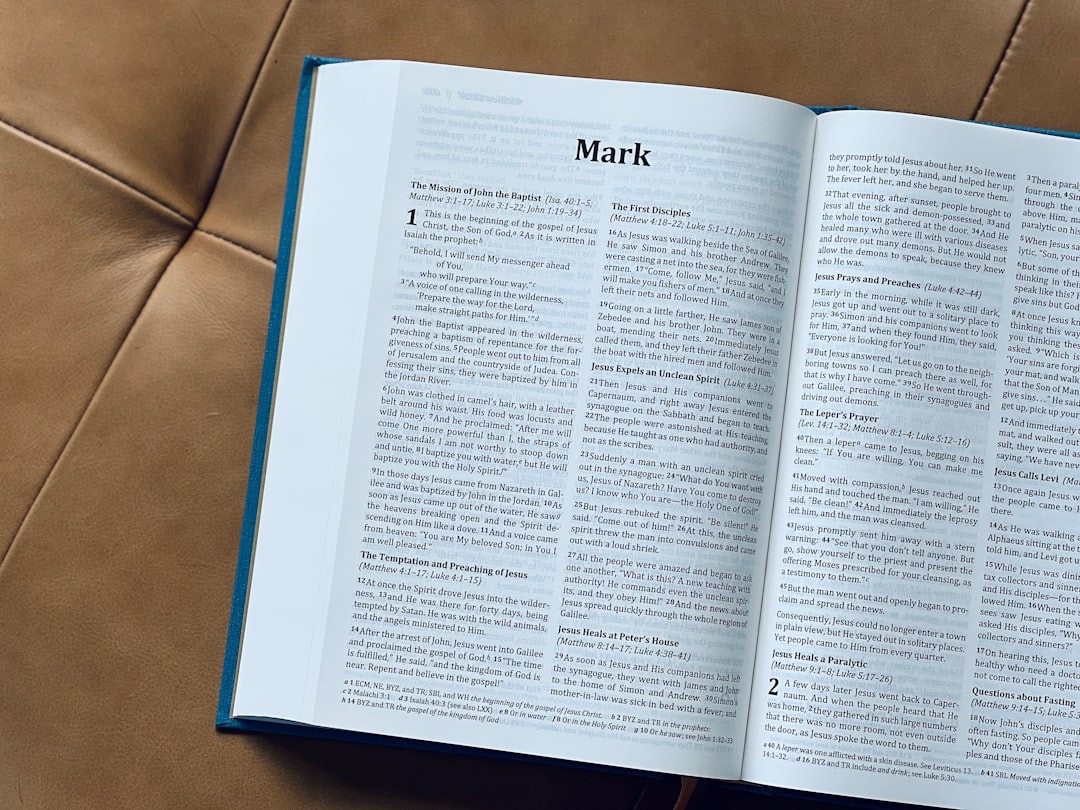
The Gospels sit at the heart of the Christian story. Everything in Scripture points toward Jesus — and the Gospels give you Jesus directly, in narrative form, with immediacy and human detail that engages attention naturally. If you read nothing else, start with the Gospels. Mark in particular is fast-paced, action-oriented, and written in a way that suits the ADHD mind well.
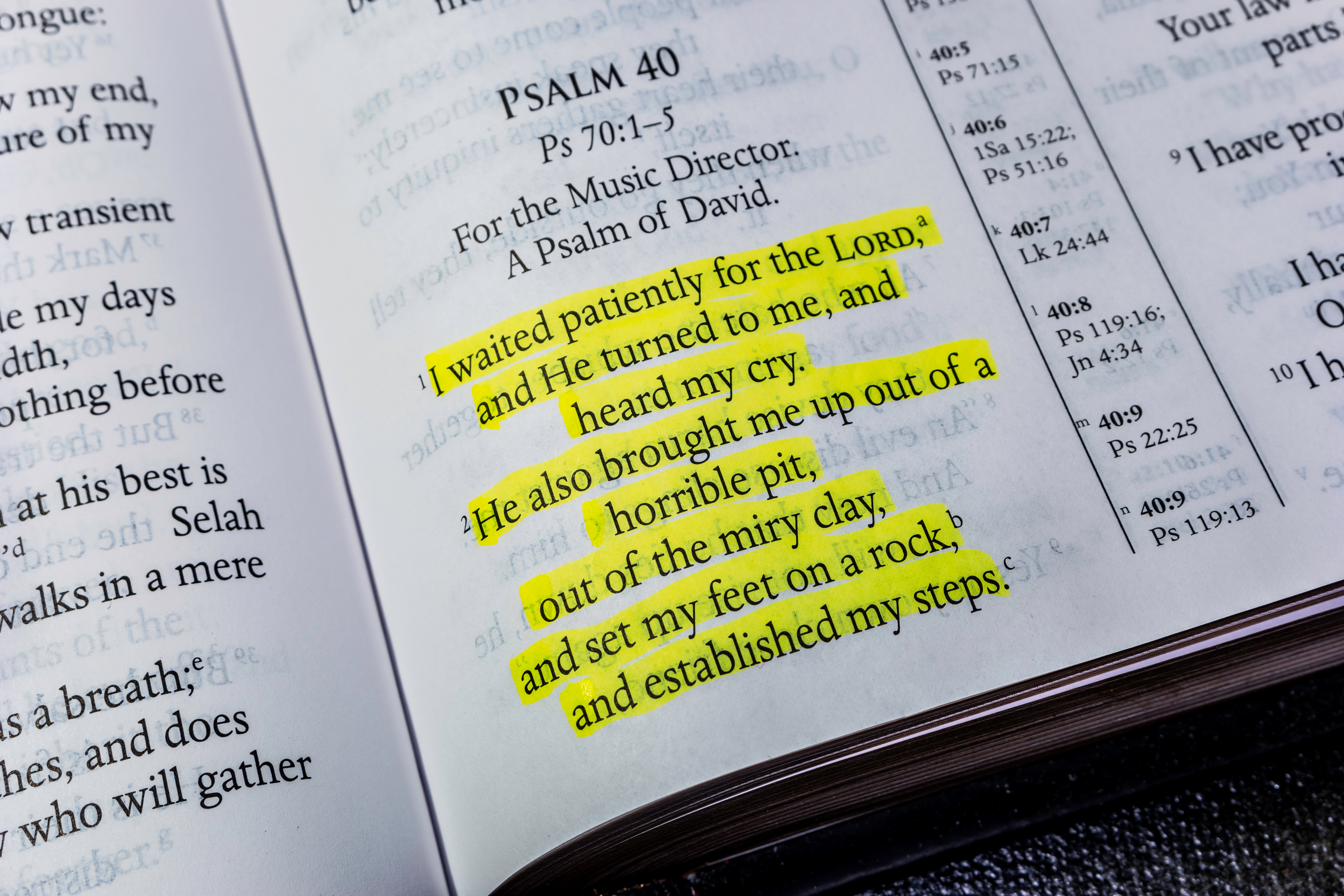
The Psalms give you the full range of human emotion brought honestly before God; they are the Bible’s own model of what prayer and faith look like from the inside. They are also short, self-contained, and accessible in any order.
Paul’s letters, particularly Romans, Galatians, Ephesians, and Philippians, go to the heart of what the Christian life means. They are direct, argumentative, intellectually engaging and full of the kind of ideas that the ADHD mind can hyperfocus on productively.
This is not a suggestion that the rest of Scripture doesn’t matter. Chronicles, Leviticus, Numbers, and the minor prophets are all part of the whole counsel of God and have real value. But for someone building or rebuilding a relationship with Scripture, beginning with what is most immediately life-giving is wisdom, not compromise.
As that relationship strengthens and deepens, the rest of Scripture opens naturally, often because the Gospels and the letters create the context in which the rest makes sense.
Read what feeds you. Build from there.
Two modes of reading
Here is something worth knowing — many ADHD believers find that sung worship is a good fit.
Music can do something for the ADHD brain that silence and stillness often cannot. It provides rhythm, structure and emotional engagement that holds attention nat
Anchoring reading
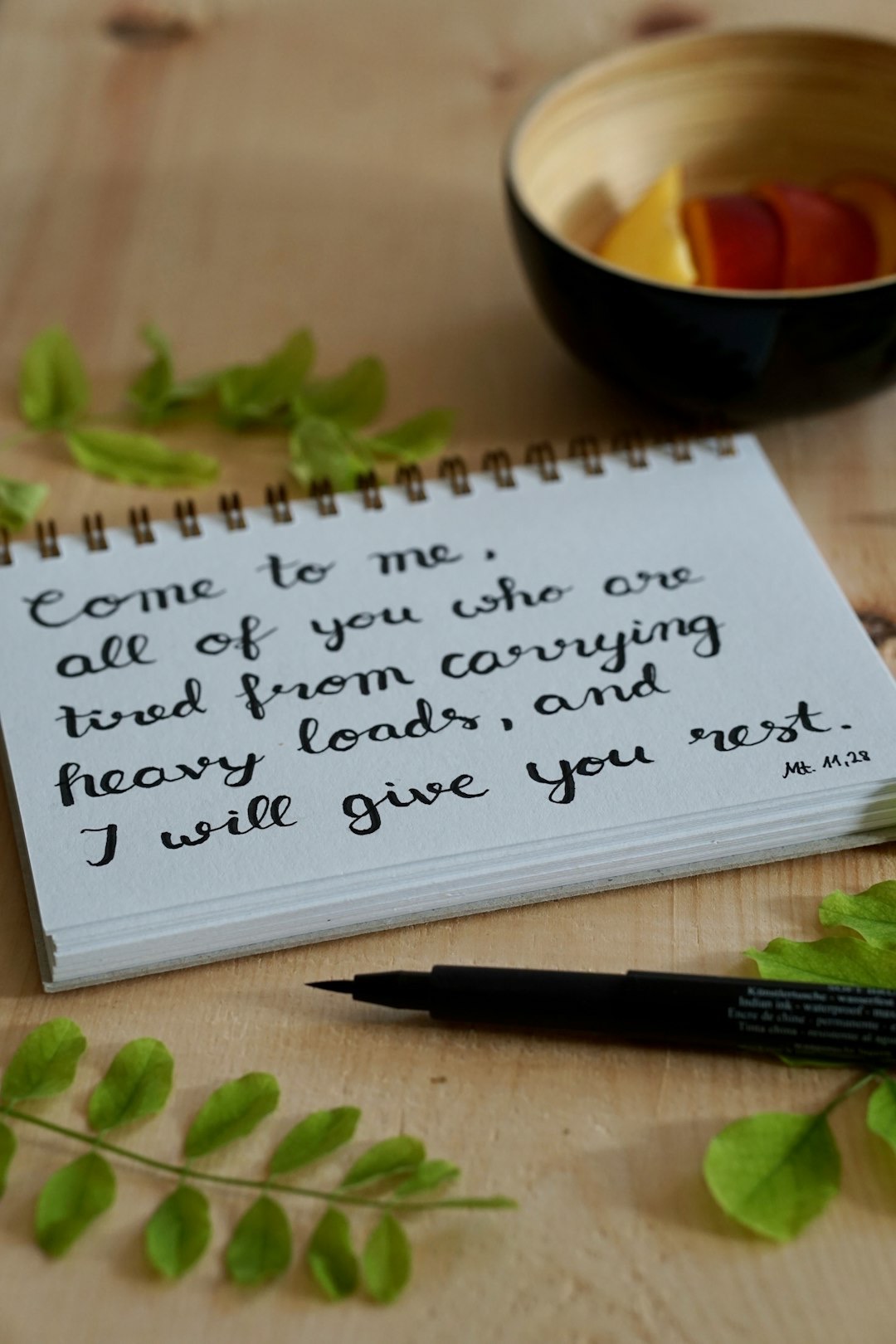
This is reading for the difficult days — the days when the brain won’t cooperate and sustained engagement feels impossible. The goal is not comprehension of a chapter. It is a single point of contact with the Word.
One verse. One short passage. A psalm read slowly once. A sentence carried into the day.
This is not lesser Bible reading. It is Bible reading scaled to what the brain can genuinely receive on a given day and a single verse that lands in the heart and stays there all day may be more spiritually fruitful than a chapter read on autopilot.

Following the fire
And then there are the other days. The days when something in the text catches and won’t let go. When a phrase opens up a question that demands to be pursued. When you are still reading an hour later and have completely lost track of time.
This is not a failure of discipline. It may be one of the most genuine and intense encounters with Scripture available to the ADHD mind. The structured plan may say you should have stopped three chapters ago. But the fire is real and the engagement is deep and God is present in it.
Follow it. Don’t guilt yourself back to the plan. The intensity is not a distraction from encountering God in Scripture. It may be the encounter itself.
A study Bible is hyperfocus infrastructure
When something catches fire in a passage, a study Bible or a concordance gives you somewhere to go with that intensity. Cross references, background notes, theme tracking, related passages, these are not tools for academics only. They are pathways for the ADHD mind to follow the fire further and deeper rather than having the intensity dissipate because there is nowhere to take it.
If you don’t own a study Bible, the NIV Study Bible or the ESV Study Bible are both excellent starting points. The Bible Gateway website also offers free cross references and concordance tools online. When a theme or word or question catches your attention — follow it. That curiosity is a gift.
What actually helps
Every ADHD mind is different. Here are several approaches that many ADHD believers have found helpful — try them, keep what helps, and let go of what doesn’t.


Audio Bible: Listen rather than read. For many ADHD minds, hearing the text engages attention in ways that silent reading cannot. The Dwell app is designed specifically for this — it has multiple voices and musical backgrounds and is worth trying. You can listen while walking, driving, or doing something with your hands.
Short passages rather than chapters: Give yourself permission to read less and receive more. A single paragraph engaged with slowly and prayerfully is worth more than a chapter skimmed on autopilot. The Lectio Divina approach, reading a short passage slowly, three times, listening for what stands out, is particularly well suited to the ADHD mind because its structure is short, repetitive in a helpful way, and responsive rather than linear.
Reading plans: Structured reading plans have real value, they provide direction, progression and a sense of moving through Scripture rather than circling the same familiar passages. For ADHD minds that find unstructured choice paralysing, a plan removes one decision and provides a clear next step.
The problem is rarely the plan itself. It is the calendar. Bible-in-a-Year attaches specific readings to specific dates and every missed day becomes visible evidence of failure. By February many ADHD believers have quietly abandoned the plan not because they don’t want to read Scripture, but because the gap between where they are and where the calendar says they should be has become discouraging rather than motivating.
The reframe is simple but significant. Think of a structured reading plan not as a daily commitment but as a set number of sessions to be completed in your own time. A 365-session plan is not a Bible in a Year. It is a journey through Scripture that might take a year, or two years, or three — completed at whatever pace your brain allows in any given season. Progress is measured by sessions completed, not days kept. A week of nothing followed by five sessions at the weekend is not failure followed by catch-up. It is simply how your reading went that week.
Chronological plans, which arrange Scripture in the order events occurred rather than the order books appear in the Bible, can work particularly well for ADHD minds because the narrative momentum carries attention forward. But the same principle applies. Decouple the plan from the calendar and it becomes a tool rather than a judge.
A note for AuADHD believers: if you are both autistic and ADHD, the flexibility this guide recommends may feel more anxiety inducing than liberating. If structure and sequence genuinely help you engage with Scripture, honour that. The goal is finding what works for your particular brain and for some that may mean a more ordered approach than this guide suggests.



Read with curiosity, not obligation: The ADHD mind responds to interest and novelty. If a particular book or theme or character in Scripture genuinely interests you — start there. There is no rule that says you must begin at Genesis and read to Revelation. Start with what catches you. The Gospels, the Psalms, the letters of Paul, the wild imagery of Revelation — begin where the curiosity is alive.
Read with others: A Bible study group, a reading partner, a structured discussion — communal reading addresses several ADHD challenges simultaneously. The social accountability helps with consistency. The conversation creates the kind of stimulation that sustains attention. And hearing how others read a passage often opens dimensions you would have missed reading alone.
Mark, underline and write in the margins: Physical engagement with the text helps the ADHD mind stay present. Underlining, circling words, writing questions in the margins — these are not irreverent. They are ways of keeping the hands and the mind in the same place. A Bible that has been wrestled with is not a defaced Bible. It is a loved one.
If Bible reading feels impossible today
If you have read this far and everything still feels too hard, here are three things you can do right now:
- Open the Psalms at random and read the first one you land on. Just once. That is enough.
- Put on an audio Bible and listen to one chapter while you do something else. Driving, walking, washing up. Let the Word come to you rather than requiring you to go to it.
- Pick one verse (any verse that comes to mind) and carry it with you today. Say it quietly when you remember it. That is Scripture engagement. It counts.
A final thought
The goal of reading the Bible is not the completion of a plan. It is encounter with the living God who speaks through his Word, in the verse that stops you in your tracks, in the passage that asks a question you can’t shake, in the story that suddenly makes sense of something in your own life.
Your ADHD mind may not read the Bible the way the plan expects it to. But it may follow a theme for three hours and emerge changed. It may carry a single sentence for a week and find it has done more work than a month of daily chapters. It may encounter God in a burst of intense absorbed reading that feels more alive than anything structured practice has produced.
That is not a lesser way of reading Scripture. It is a different door into the same Word. And the God who speaks through it is not waiting for you to read more consistently before he meets you there.
He is already there. In the verse that caught you. In the question that won’t let go. In the fire.
This content has been made available under a Creative Commons licence and may be freely shared and printed for personal or pastoral use.
ADHDBibleStudy.com should be credited and it may not be used commercially or adapted without permission. Please contact us if you would like to do either.